
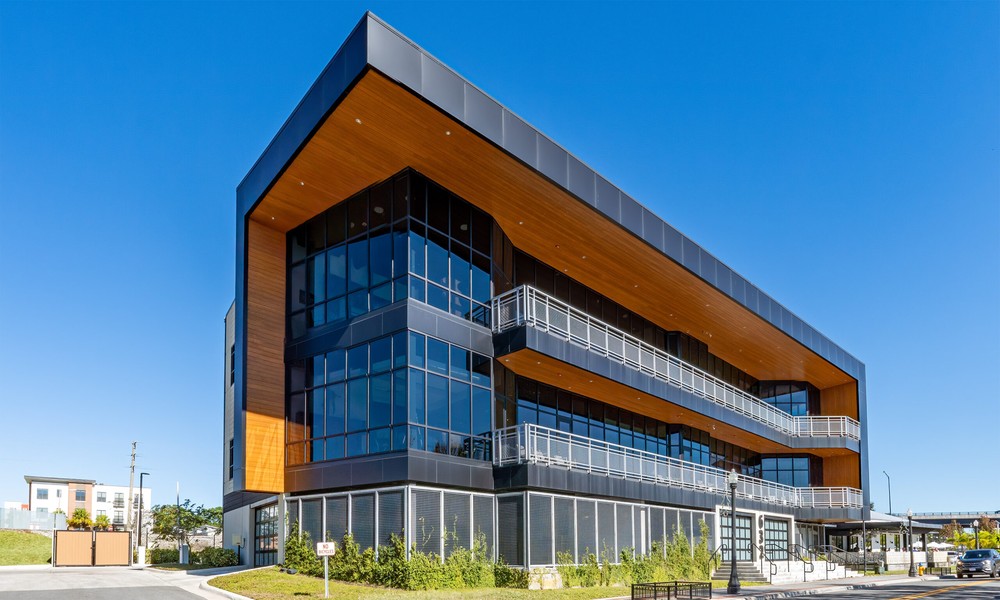

Complexity defines high-end commercial architecture. Whether shaping skylines with glass towers or revitalizing heritage spaces for contemporary use, every project brings a unique blend of ambition, constraints, and innovation. Behind each iconic building lies a series of persistent challenges that architects, engineers, and clients must tackle with both creativity and technical rigor.
Early Design Challenges in High-End Commercial Buildings
Ambitious visions often clash with practical hurdles long before a structure rises above ground level. Structural complexity can push the limits of conventional materials, especially when expansive open spaces, cantilevered elements, or unusual geometries are involved. For example, a desire for vast column-free interiors in office towers demands advanced steel or composite solutions, but budget and supply limitations may necessitate design recalibration.
Managing client expectations adds another layer of complexity. High-end clients seek prestige and functionality, yet even generous budgets have ceilings. Allocating resources between signature design features, durable materials, and innovative systems often leads to tough choices. This balancing act requires transparent communication and inventive value engineering.
Aesthetic ambition must also serve a building’s practical purpose. Striking a balance between visual statement and efficient circulation or mechanical needs is a puzzle every architect faces. Success comes not just from inspiration, but from meticulous coordination between design intent and technical realities.
Advancements in Architectural Technology and Their Impact
Breakthroughs in digital design tools have reshaped how teams address these challenges. Building Information Modeling (BIM) and 3D modeling now allow for precision planning, reducing costly surprises during construction. When multiple consultants share a unified digital model, potential clashes between structural, mechanical, and architectural elements can be resolved early, saving time and money.
Material science is another area of rapid progress. High-strength composites, engineered woods, and adaptive glass technologies all allow for forms that were once impossible or prohibitively expensive. These materials don’t just enable daring shapes, they also prolong building lifespans and minimize maintenance.
Automation has entered the architectural mainstream. Integrating smart building systems, lighting, security, HVAC, requires careful planning, but results in spaces that adapt to their occupants, enhance efficiency, and provide a seamless user experience.
Evolving Sustainability Standards and Environmental Considerations
Sustainability has moved from optional to essential. Certification programs like LEED and WELL set rigorous benchmarks for energy use, water conservation, and occupant health. Achieving these marks starts with design strategies such as orienting buildings to maximize natural light, specifying low-carbon materials, and integrating efficient systems from the outset.
Energy efficiency is now a baseline expectation. Innovations range from triple-glazed curtain walls to advanced heat recovery systems. Waste reduction is also a priority; modular components and recycled material use can drastically decrease construction landfill output while supporting circular economy goals.
Navigating Regulatory Changes and Safety Requirements
Building codes are constantly evolving, especially regarding accessibility and public safety. Adapting to these updates means more than just checking boxes. It requires integrating ramps, accessible washrooms, and clear wayfinding without sacrificing the sophistication of the overall design.
Fire protection has advanced far beyond simple sprinklers. Dedicated evacuation zones, fire-rated corridors, and intelligent detection systems are becoming standard, particularly in high-occupancy spaces. Security concerns have grown as well, leading to embedded surveillance and controlled access systems that must be both discreet and robust.
Challenges in Interior and Exterior Space Utilization
Making every square meter count is a relentless pursuit. Designers are challenged to maximize efficiency without cramping occupants or sacrificing flow. Flexible partition systems, underfloor service distribution, and multi-use lobbies all add value without sprawl.
Natural light is a prized asset, yet privacy is equally important. Advanced glazing, strategic landscaping, and layered shading solutions allow for daylight without compromising confidentiality or comfort. Meanwhile, in large public zones like shopping centers, acoustics become critical, absorptive ceilings, partitioned zones, and sound-masking technologies all contribute to a pleasant atmosphere.
The Role of Technology in Enhancing User Experience
User experience is a new frontier in commercial design. Intelligent lighting systems adjust to daylight cycles, boosting productivity and comfort. Climate control has become granular; advanced HVAC solutions now provide zone-specific comfort while slashing energy bills.
The Internet of Things (IoT) further empowers facility managers with real-time data on everything from occupancy patterns to equipment performance. Buildings have moved beyond static environments, they’re now responsive ecosystems supporting health, efficiency, and flexibility.
Future Trends Shaping High-End Commercial Design
Modular and prefabricated construction methods are gaining traction, reducing construction time and improving quality control. Biophilic design, a philosophy integrating natural elements like plants, water, and daylight, goes beyond aesthetics. It positively impacts well-being and productivity.
As cities evolve, adaptive reuse and flexible spaces become ever more crucial. Today’s office tower may be tomorrow’s mixed-use hub, so designs increasingly prioritize layouts that can be quickly reconfigured as needs change.
Case Studies: Successful Problem-Solving in Recent Projects
Montreal’s commercial sector offers a glimpse into overcoming structural hurdles. Local firms, such as firme architecte Stendel + Reich, have demonstrated how advanced modeling and careful material selection can achieve ambitious designs without overruns.
High-tech industrial builds in Quebec showcase innovation in sustainability and durability, such as integrating solar arrays and high-efficiency HVAC. Mixed-use developments have provided lessons in balancing retail, residential, and public functions, adapting layouts to serve multiple stakeholders and future-proofing for evolving urban needs.
In the world of high-end commercial buildings, every challenge is an opportunity. As materials, technology, and standards advance, visionary architects will continue to redefine what’s possible, shaping environments that are not just beautiful, but enduringly functional.
