
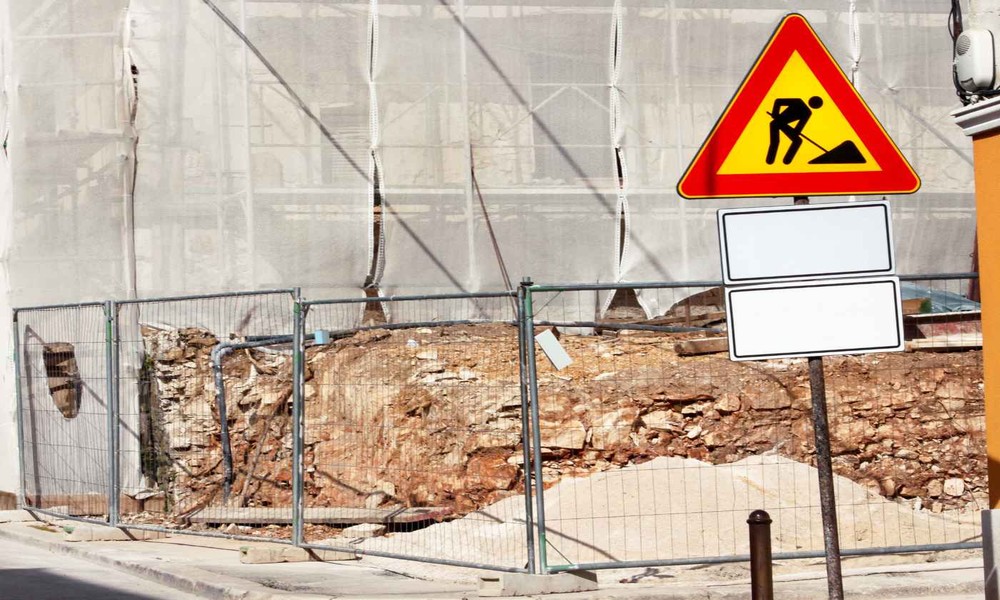

Managing a bustling roadway construction project brings a tremendous amount of stress. Site managers face the immense pressure of completing projects efficiently while ensuring everyone goes home safely. Highways and local roads are inherently unpredictable environments. When you add heavy machinery, uneven pavement, and shifting lanes to the mix, the risk of accidents naturally increases.
Protecting workers and passing motorists requires far more than just high-visibility vests. It demands a comprehensive traffic control strategy. By utilizing the right equipment and establishing clear boundaries, project managers can drastically reduce hazards and maintain a smooth flow of vehicles.
Utilizing Clear Warning Signage
The primary line of defense in any work zone is immediate and clear communication with approaching motorists. Drivers need ample time to slow down, merge, or prepare for sudden stops. Regulatory and warning signs serve as the essential guides that dictate driver behavior before they even reach the active work area.
Whether you need to indicate a reduced speed limit or alert drivers to an upcoming detour, high-quality signage eliminates confusion. Bold, reflective signs ensure that instructions remain visible regardless of weather conditions or time of day. When drivers know exactly what to expect ahead, the likelihood of sudden braking or erratic lane changes drops significantly.
Deploying Effective Physical Barriers
While signs tell drivers what to do, physical barriers reinforce those instructions and create safe havens for workers. Establishing a distinct boundary between active traffic and the construction crew is absolutely non-negotiable. Using tools like traffic drums, sturdy barricades, and water-filled barriers provides a tangible line of defense.
For smaller detours or temporary shifts, high-visibility traffic cones and delineators help guide vehicles fluidly through complex pathways. In higher-speed environments, heavy-duty barricades provide crucial impact resistance. By clearly defining where vehicles belong and where workers operate, site managers create a structured environment out of potential chaos.
Partnering With Dedicated Safety Professionals
Executing a flawless traffic management plan requires specialized equipment and deep industry knowledge. This is not an area where cutting corners pays off. Sourcing the proper gear, from reflective tape to massive crash trucks, can overwhelm even the most experienced project managers.
This is why partnering with established providers like Signs & Safety Devices is incredibly important. Working with a dedicated supplier ensures that your site is equipped with compliant, high-quality tools tailored to your specific project scope. Whether you need standard roadway packages or sophisticated round-the-clock lane closure support, relying on experts allows your crew to focus on the construction work rather than worrying about traffic control logistics.
Leveraging Advanced Illumination Technology
Visibility frequently determines the safety of a work zone. Working after dark or through severe storms compromises a driver’s ability to navigate safely. To combat poor visibility, modern construction sites must integrate illuminated safety solutions to capture attention from a distance.
Solar-powered light-emitting signs, variable message boards, and flashing arrow boards are incredibly effective at cutting through the darkness. These brightly lit devices act as impossible-to-ignore beacons, directing the flow of traffic smoothly around obstacles. Because many of these advanced boards operate on renewable solar energy, they provide reliable illumination without the need for constant maintenance or complex wiring.
Managing Vulnerable Pedestrian Traffic
When planning a work zone, it is easy to focus entirely on cars and trucks while forgetting about people on foot. However, urban and suburban construction sites frequently intersect with sidewalks and crosswalks. Protecting pedestrians requires just as much attention as managing highway traffic.
Implementing temporary pedestrian crosswalk signs, accessible temporary pathways, and clear protective fencing keeps bystanders safe from heavy machinery and flying debris. Managing pedestrian traffic ensures that neighbors and commuters can navigate around your project without accidentally wandering into hazardous operational areas.
Conclusion
Improving safety on a construction site is an ongoing commitment that requires vigilance, proper equipment, and strategic planning. A well-organized work zone protects the lives of dedicated crew members and the daily commuters passing through the area.
By utilizing clear warning signage, deploying sturdy physical barriers, and leveraging brightly illuminated technology, managers can eliminate confusion and reduce accidents. Furthermore, securing these critical assets from trusted industry partners guarantees that your safety measures meet the highest standards. Ultimately, prioritizing traffic control transforms unpredictable roadways into secure, highly functional environments where workers can confidently get the job done.
How to Improve Construction Site Traffic Safety
